

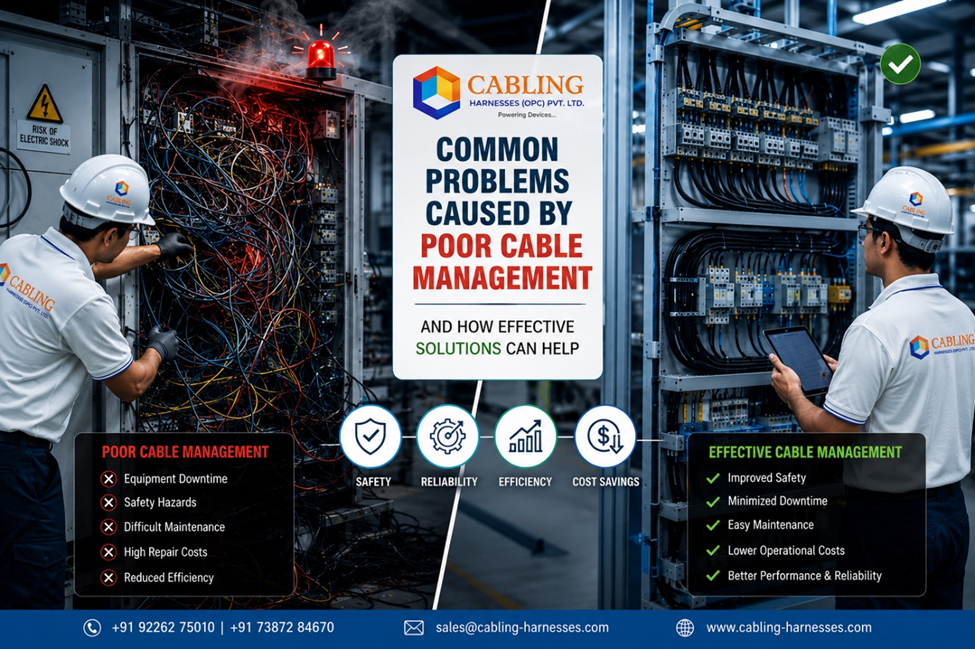
Discover how poor cable management affects safety, efficiency, and equipment reliability, and explore effective cable management solutions for industrial operations
Introduction
In modern industrial environments, electrical connectivity plays a critical role in maintaining productivity, equipment reliability, and operational continuity. From industrial automation systems and EV manufacturing lines to medical electronics and OEM machinery, businesses worldwide depend on structured electrical systems to support daily operations.
However, one often-overlooked issue in manufacturing facilities and industrial workspaces is poor cable management.
Disorganized cables may appear to be a minor operational concern initially. Still, over time, they can create significant problems affecting safety, maintenance efficiency, equipment performance, production uptime, and long-term operational costs.
For OEMs, manufacturers, engineers, procurement teams, and industrial decision-makers, investing in reliable cable management solutions is no longer simply about organization. It is a critical part of improving operational reliability, reducing downtime, and supporting safer and more efficient industrial systems.
This article explores the most common problems caused by poor cable management, their impact on global industrial operations, and practical strategies businesses can implement to improve performance and reliability.
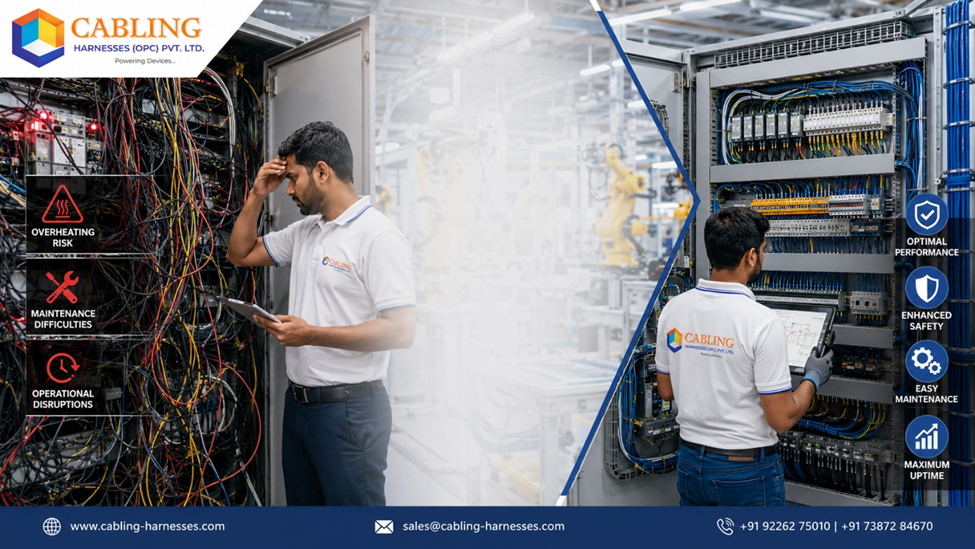
Why Cable Management Matters in Industrial Operations?
Cable management refers to the process of organizing, routing, securing, labeling, and protecting electrical wiring systems and cable assemblies within equipment, control panels, machinery, and industrial facilities.
In industries where electrical systems are becoming increasingly complex, proper cable management helps businesses:
- Improve equipment reliability
- Reduce operational downtime
- Enhance workplace safety
- Simplify maintenance procedures
- Improve airflow and thermal management
- Reduce long-term maintenance costs
- Support compliance with quality and safety standards
Industries such as automotive manufacturing, EV systems, telecommunications, aerospace, industrial automation, medical electronics, and defense equipment all rely heavily on structured cable systems for uninterrupted operations.
Without proper cable organization, even high-quality electrical components and wiring harnesses can experience premature failures and reduced performance.
Common Problems Caused by Poor Cable Management
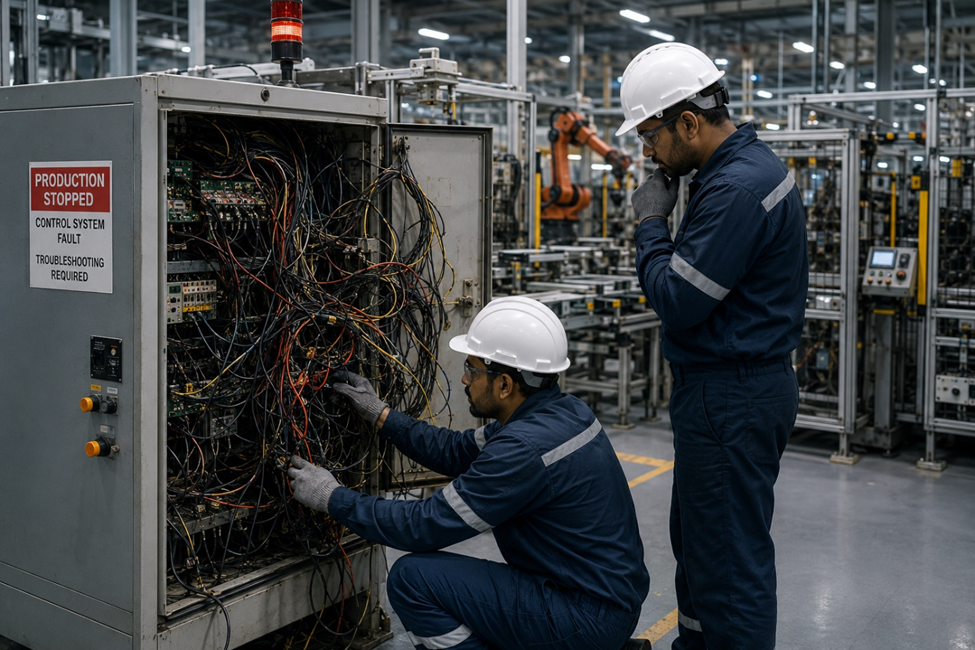
One of the most expensive consequences of poor cable management is unexpected equipment downtime.
Loose or improperly routed cables are more likely to become disconnected, pinched, damaged by vibration, or exposed to excessive mechanical stress. In high-speed production environments, even a small wiring issue can interrupt operations and delay production schedules.
For global manufacturers and OEMs, downtime can result in:
- Production losses
- Delayed shipments
- Reduced operational efficiency
- Increased labor costs
- Customer dissatisfaction
- Supply chain disruptions
Well-designed cable management solutions help secure electrical systems, reduce cable movement, and improve long-term reliability.
2. Electrical Safety Hazards
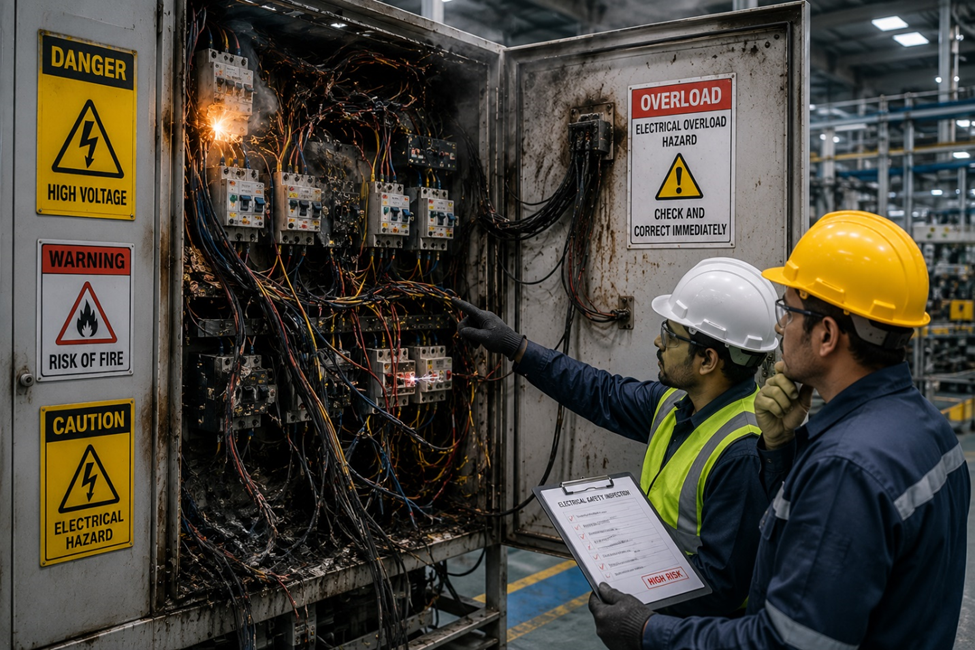
Poorly managed cables can create serious workplace safety risks in industrial facilities.
Damaged insulation, exposed conductors, overloaded cable bundles, and improper routing increase the possibility of:
- Electrical short circuits
- Fire hazards
- Electric shock incidents
- Arc flash risks
- System overheating
In sectors involving heavy machinery, automation systems, and high-voltage equipment, these risks become even more critical.
Proper cable routing and protective cable assemblies help businesses maintain safer working environments while supporting compliance with international safety standards and electrical regulations.
3. Difficult Maintenance and Troubleshooting
Maintenance teams often face significant challenges when cable systems are poorly organized.
Unlabeled or tangled wiring makes fault identification more time-consuming and increases the likelihood of maintenance errors. Technicians may spend hours tracing connections during repairs or system upgrades.
This can lead to:
- Longer maintenance downtime
- Increased troubleshooting costs
- Accidental disconnections
- Reduced technician productivity
- Higher risk of installation mistakes
Structured cable layouts and professionally manufactured wiring harnesses simplify maintenance procedures and improve service efficiency.
For industrial facilities operating around the clock, faster troubleshooting can significantly reduce operational interruptions.
4. Overheating and Poor Airflow
In electrical control panels, industrial enclosures, and automation systems, excessive cable clutter can restrict airflow around sensitive components.
Poor ventilation may contribute to:
- Equipment overheating
- Reduced electrical efficiency
- Premature component failure
- System instability
- Increased cooling costs
As industrial systems become more compact and electrically dense, thermal management has become increasingly important.
Effective cable management solutions help improve airflow by organizing cables efficiently and reducing heat accumulation inside electrical cabinets and machinery systems.
5. Premature Cable Damage and Wear
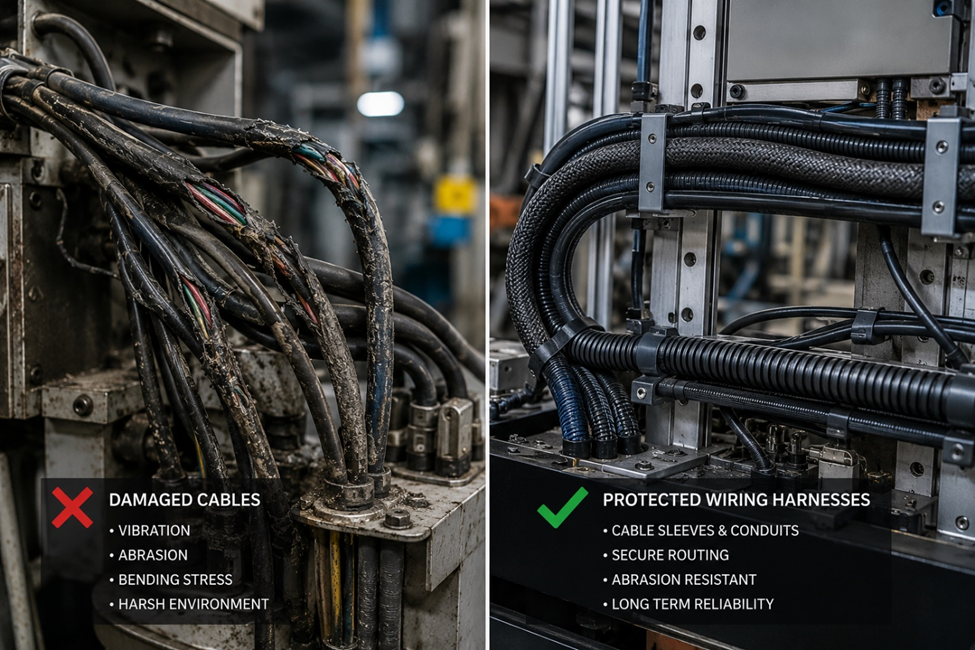
Industrial cables are regularly exposed to vibration, movement, bending, moisture, dust, chemicals, and temperature variations.
Without proper support and protection, cables can experience:
- Abrasion damage
- Insulation wear
- Connector failures
- Excessive tension stress
- Signal interruptions
These issues are especially common in industrial automation systems, robotics, automotive manufacturing equipment, and moving machinery applications.
Protective conduits, cable trays, clamps, braided sleeves, and custom wiring harnesses help extend cable lifespan and reduce replacement frequency.
6. Reduced System Reliability
Reliable electrical performance is essential for modern industrial operations.
Disorganized cable routing may contribute to electromagnetic interference (EMI), unstable connections, and inconsistent signal transmission. In industries where precision and data accuracy are critical, these problems can negatively impact system performance.
Potential issues include:
- Signal disruption
- Communication failures
- Sensor inaccuracies
- Power instability
- Equipment malfunction
Industries such as EV manufacturing, medical electronics, telecommunications, and industrial robotics require highly reliable cable systems to maintain stable performance.
Properly engineered cable assemblies and organized routing systems help improve electrical reliability and operational consistency.
7. Increased Operational Costs
Poor cable management often creates hidden operational expenses that accumulate over time.
These costs may include:
- Frequent maintenance repairs
- Equipment replacement expenses
- Production downtime losses
- Increased energy consumption
- Additional labor costs
- Safety-related liabilities
Although organized cable infrastructure requires initial planning and investment, it typically reduces long-term operational costs significantly.
Businesses that prioritize preventive maintenance and structured wiring systems often achieve better productivity and lower equipment failure rates.
8. Compliance and Quality Concerns
Global manufacturers and OEM suppliers are increasingly required to meet strict quality, safety, and compliance standards.
Poor cable organization can negatively affect:
- Product quality inspections
- Factory audits
- Customer approvals
- Export requirements
- Safety certifications
Disorganized wiring systems may also affect product appearance and reduce customer confidence in manufacturing quality.
Professionally designed wiring harnesses and cable assemblies help businesses maintain consistent quality standards while improving reliability and presentation.
How Effective Cable Management Solutions Improve Industrial Performance?
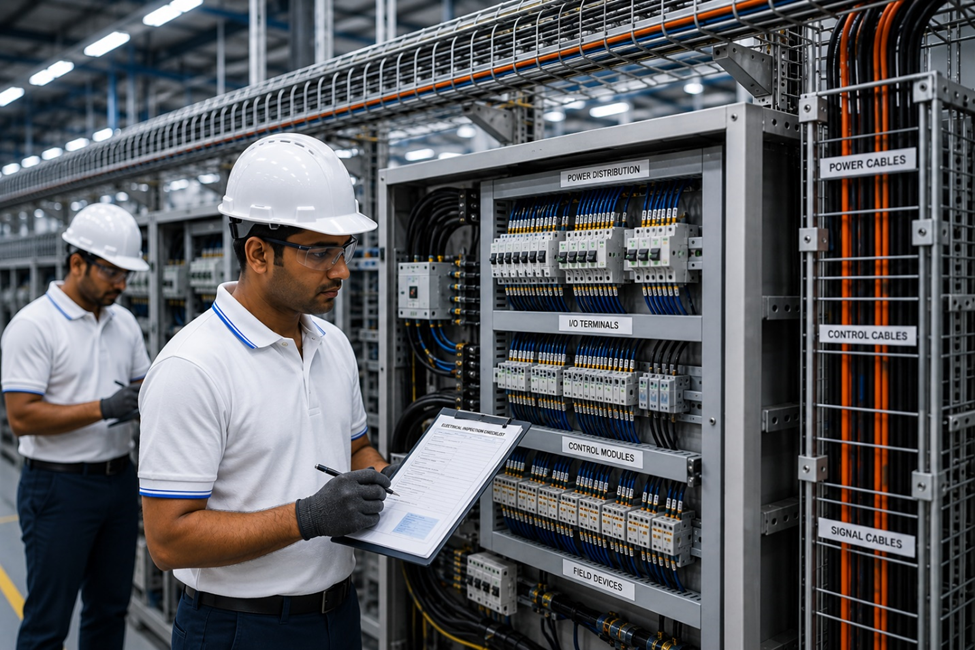
Improved Safety and Risk Reduction
Structured cable systems reduce exposure to electrical hazards and improve workplace safety.
This is especially important for facilities operating high-voltage equipment, automated machinery, and mission-critical industrial systems.
Better Productivity and Operational Efficiency
Organized wiring systems simplify maintenance procedures, reduce troubleshooting time, and improve equipment accessibility.
This allows maintenance teams and operators to work more efficiently while minimizing production disruptions.
Enhanced Equipment Reliability
Proper cable routing reduces physical stress on electrical connections and improves overall system stability.
Reliable electrical systems contribute directly to better product quality and operational consistency.
Easier Equipment Expansion and Upgrades
As industrial operations expand, organized cable infrastructure makes it easier to integrate new equipment and automation systems without major rewiring complications.
This scalability is valuable for growing manufacturing facilities and OEM operations.
Stronger Professional Presentation
Well-organized cable systems reflect professionalism, engineering precision, and attention to detail.
For international buyers and industrial clients, structured wiring systems also improve confidence in manufacturing quality and operational standards.
Best Practices for Effective Cable Management
Businesses can reduce operational risks by implementing several practical cable management strategies.
Use Structured Routing Systems
Cable trays, conduits, ducts, and cable channels help organize wiring and protect cables from damage.
Invest in Custom Wiring Harnesses
Custom harness assemblies simplify complex electrical systems and improve installation consistency.
Label Cables Clearly
Clear cable labeling improves maintenance efficiency and reduces troubleshooting errors.
Protect Cables from Harsh Environments
Use insulation materials and protective coverings designed for heat, vibration, moisture, and industrial environments.
Conduct Preventive Maintenance Inspections
Regular inspections help identify damaged cables before failures occur.
Preventive maintenance improves long-term system reliability.
Partner with Experienced Wiring Harness Manufacturers
Working with experienced cable assembly manufacturers ensures better engineering support, testing standards, and quality assurance processes.
Businesses should evaluate suppliers based on:
- Manufacturing expertise
- Quality control systems
- Testing capabilities
- Export experience
- Technical support
- Industry certifications
Why Quality Manufacturing Matters?
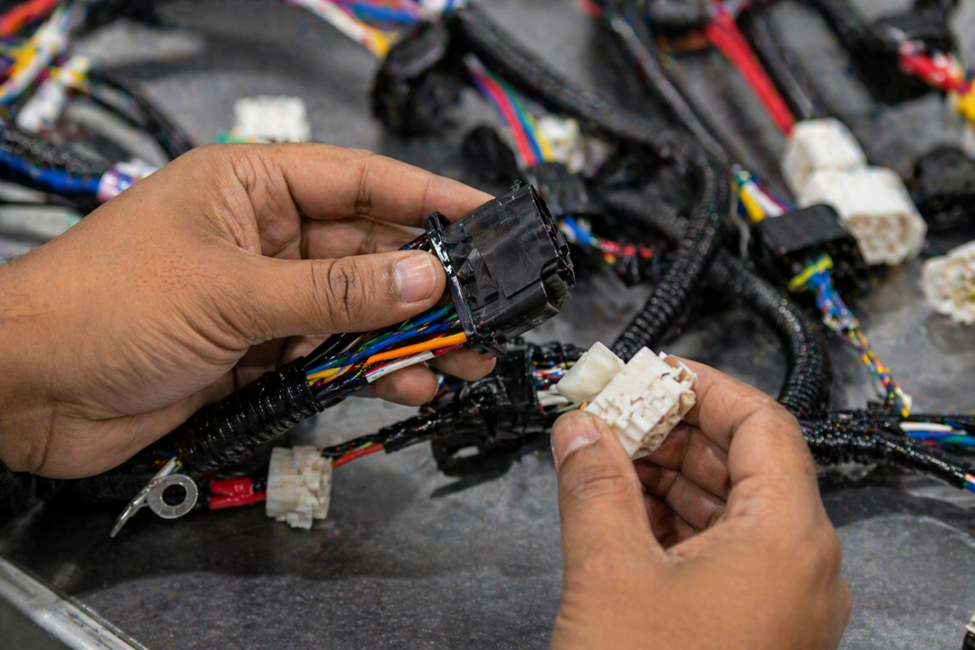
High-quality cable assemblies and wiring harnesses play a critical role in maintaining operational reliability across industrial sectors.
Manufacturers that follow strict testing and quality assurance processes help businesses reduce electrical failures and improve long-term performance.
Professional manufacturers often provide:
- Precision-engineered cable assemblies
- Application-specific custom solutions
- Prototype development support
- Quality inspection and testing
- International manufacturing standards
- Reliable technical consultation
For OEMs and industrial buyers, selecting the right cable assembly partner can significantly improve product reliability and operational efficiency.
Conclusion
Poor cable management is not simply an organizational issue. It can directly impact operational efficiency, equipment reliability, workplace safety, maintenance costs, and long-term business performance.
As industrial systems continue becoming more advanced and electrically complex, businesses worldwide are increasingly investing in structured cable management solutions to improve productivity, reduce downtime, and support safer operations.
For manufacturers, OEMs, engineers, and procurement teams, proper cable management is a practical investment that delivers long-term operational and financial benefits.
Partner with a Reliable Wiring Harness Manufacturing Expert
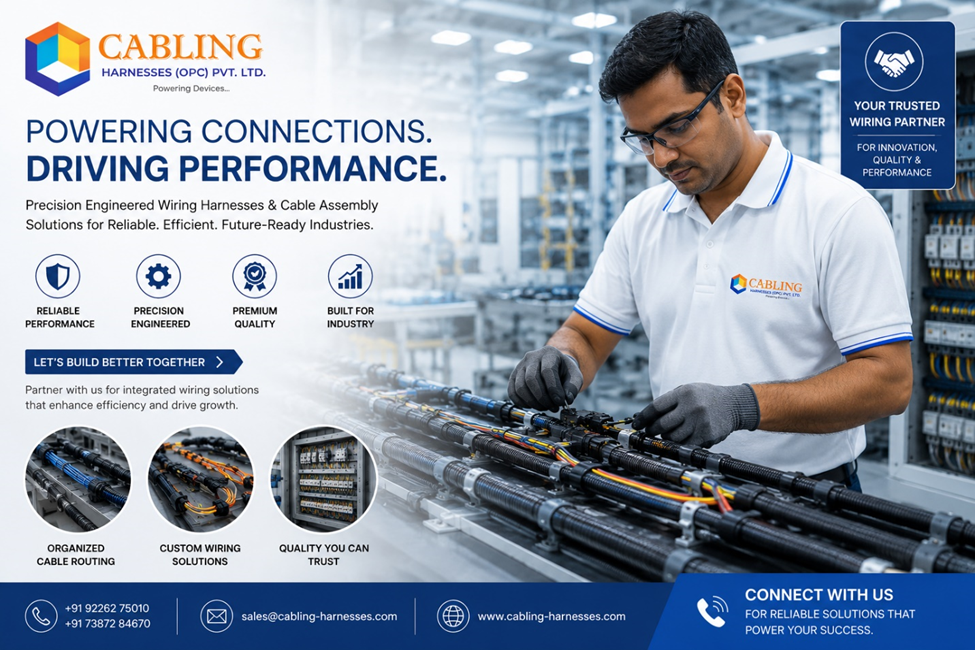
Cabling Harnesses OPC Pvt. Ltd. specializes in high-quality custom wiring harnesses and cable assemblies for industrial automation, EV systems, automotive applications, defense equipment, control panels, and OEM manufacturing projects.
With a strong focus on engineering precision, export-quality manufacturing, testing standards, and customer-focused support, the company helps global businesses improve electrical reliability and operational performance.
Businesses looking for dependable cable assembly solutions, OEM wiring support, or custom harness manufacturing expertise can contact the team for technical consultation and project discussions.
- Email: sales@cabling-harnesses.com
- Phone: +91 9226275010 / +91 7387284670
Frequently Asked Questions (FAQs)
1. Why are cable management solutions important in industrial environments?
Cable management solutions help improve safety, reduce downtime, simplify maintenance, and increase equipment reliability in industrial systems.
2. What problems can poor cable management cause?
Poor cable management can lead to overheating, electrical hazards, cable damage, maintenance difficulties, signal disruption, and operational downtime.
3. How do custom wiring harnesses improve cable management?
Custom wiring harnesses organize multiple cables into structured assemblies, improving installation efficiency, reliability, and maintenance accessibility.
4. Which industries benefit most from organized cable management systems?
Industries such as automotive, EV manufacturing, industrial automation, telecommunications, medical electronics, aerospace, and defense benefit significantly from proper cable management.
5. How can businesses reduce cable-related operational risks?
Businesses can reduce risks by using structured routing systems, preventive maintenance, cable labeling, protective insulation, and professionally manufactured cable assemblies.
