

Is your wiring harness supplier hurting your production? Discover five warning signs it’s time to switch suppliers and learn how to transition smoothly without disrupting operations
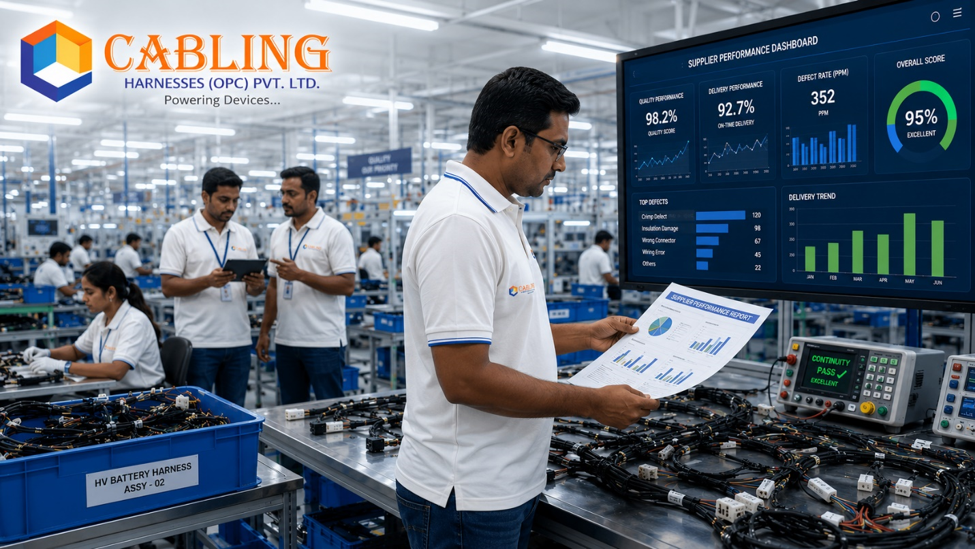
Introduction
Supplier relationships in manufacturing tend to persist longer than they should. Once a vendor is embedded in your bill of materials, approved supplier list, and production schedules, there is a natural reluctance to rock the boat—even when problems are piling up. In the wiring harness sector, this inertia can be genuinely costly.
A wiring harness is not a commodity component. It is a custom-engineered assembly that directly affects the reliability, safety, and quality of your product—whether that is an EV battery system, an industrial control panel, a medical device, or a cooling unit. A supplier who cannot keep pace with your standards is not just an inconvenience; they are a liability.
This article outlines five clear warning signs that your current wiring harness supplier is no longer the right partner and explains what you should be looking for in a replacement.
Sign #1: Recurring Quality Failures That Never Fully Get Resolved
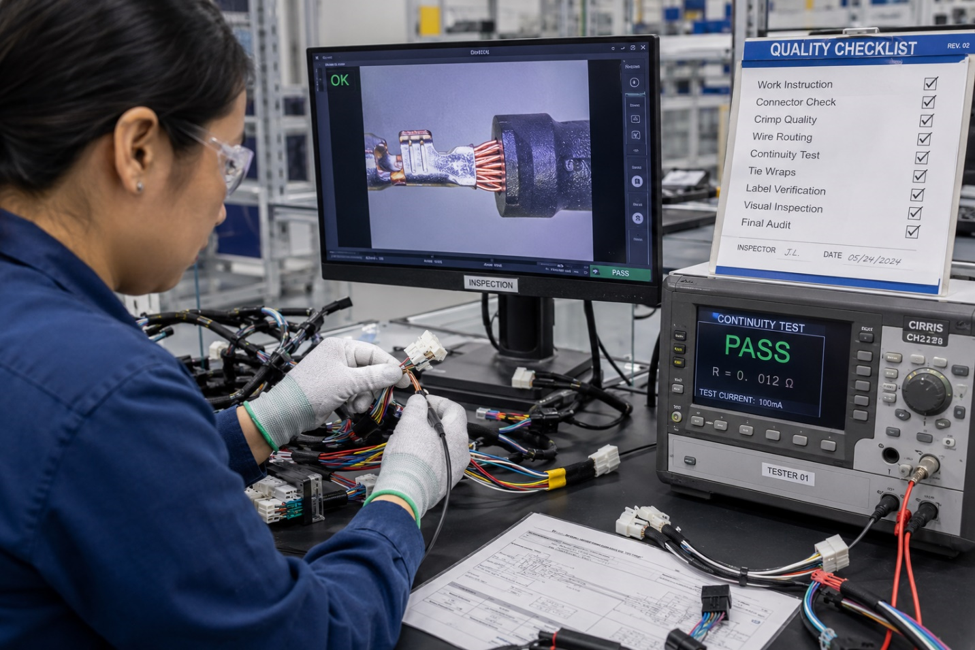
Every supplier experiences a quality incident from time to time. What separates a reliable partner from a risky one is how they respond—and whether the same problems continue to occur.
If your incoming inspection is regularly catching crimping defects, incorrect wire gauges, connector misfits, or insulation damage, and your supplier’s corrective actions produce only temporary improvement, that is a pattern worth taking seriously. Quality failures in wiring harnesses are not just production headaches; they can cause product recalls, field failures, and, in safety-critical applications, real harm to end users.
Warning Signals to Watch For
- Repeated non-conformance reports (NCRs) for the same defect types
- Corrective action plans that address symptoms rather than root causes
- Inconsistency between prototype quality and production batches
- Lack of documented process controls or in-process inspection records
- Resistance to third-party audits or factory visits
A professional harness manufacturer maintains documented quality processes, conducts electrical testing on every harness, and provides traceable records upon request. If your current supplier cannot offer this level of transparency, it is a significant red flag.
Sign #2: Delivery Schedules That Consistently Slip
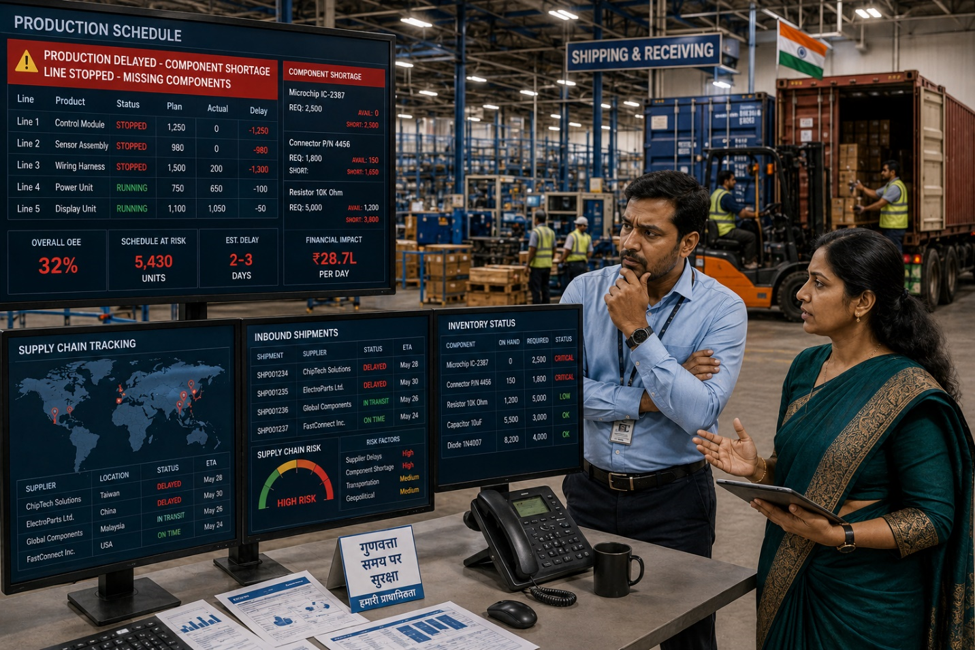
In a lean manufacturing environment, your production schedule depends on components arriving when they are supposed to. A wiring harness supplier who regularly delivers late—or who provides optimistic commitment dates only to revise them at the last moment—will eventually bring your production line to a halt.
Late deliveries have a multiplier effect. They delay assembly operations, postpone customer shipments, trigger contractual penalties in some cases, and force procurement teams to spend time chasing updates rather than managing strategy. Over time, chronic delivery issues also reveal deeper problems, such as poor capacity planning, overwhelmed production facilities, weak subcontractor management, or a lack of operational discipline.
Questions to Ask Yourself
- How often do you receive harnesses on the originally promised delivery date?
- When delays occur, does your supplier proactively communicate, or do you have to follow up?
- Has your team had to halt production, arrange air freight, or place expedited orders more than once in the past year due to harness delays?
Occasional delays caused by genuine supply chain disruptions are understandable. Persistent delivery failures accompanied by vague explanations are not. Your customers hold you accountable for delivery commitments—your suppliers should be held to the same standard.
Sign #3: Inability to Support Engineering Changes or New Designs
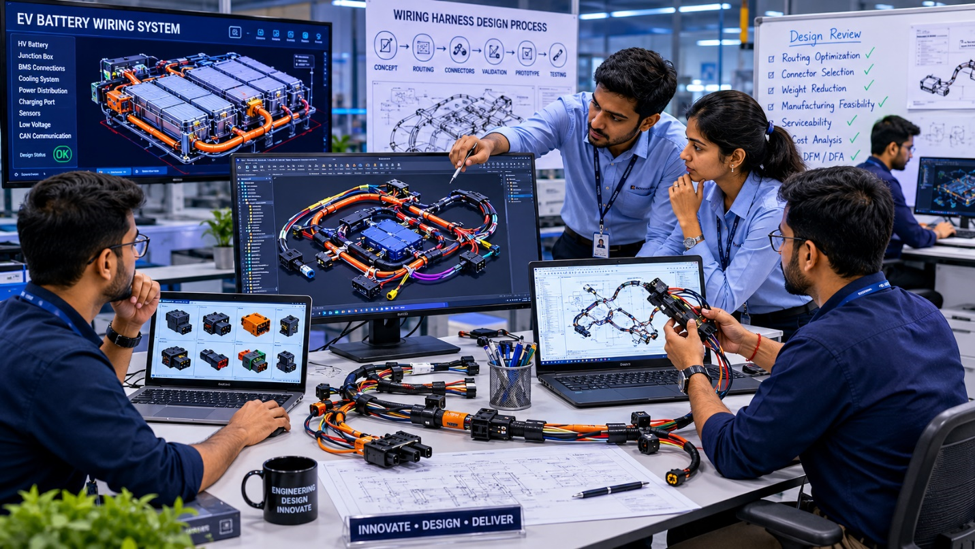
Product development does not stop once initial production begins. Engineering changes, design revisions, regulatory updates, and new product introductions are constant realities in manufacturing. Your wiring harness supplier must be able to move with you.
A supplier that struggles with engineering change orders (ECOs), takes weeks to provide updated prototypes, lacks in-house design capabilities, or cannot accommodate new connector or routing requirements is effectively limiting your product development speed. This is especially problematic in fast-moving sectors such as electric vehicles, industrial automation, and smart infrastructure, where time-to-market is a key competitive factor.
Signs Your Supplier Is Holding Back Your Engineering Team
- Long lead times for prototype revisions—typically more than two to three weeks for straightforward changes
- Inability to provide design-for-manufacturing feedback or engineering drawings
- No in-house R&D or prototyping capability, with all changes routed through external providers
- Resistance to adopting new connector standards or materials
- Errors in understanding and implementing ECOs, resulting in multiple revision cycles
The best harness suppliers function as an extension of your engineering team. They bring expertise in wire selection, connector compatibility, routing optimization, and compliance requirements—and they apply that expertise proactively rather than reactively.
Sign #4: Poor Communication and Lack of Responsiveness
This issue is easy to overlook, but it deserves serious attention. A supplier who does not respond promptly, provides inconsistent information depending on whom you speak to, or becomes difficult to reach when problems arise is a supplier that does not respect your business.
In a critical component relationship, communication quality reflects operational maturity. Suppliers with strong processes have informed account managers, effective escalation paths, and systems that provide real-time visibility into order status, production schedules, and quality metrics. Suppliers without these structures often struggle to communicate clearly because they lack visibility themselves.
Communication Problems That Should Concern You
- Emails going unanswered for more than 24–48 hours on routine matters
- Conflicting information regarding delivery dates, stock levels, or specifications
- No dedicated point of contact who takes ownership of your account
- Excuses rather than solutions when issues are escalated
- Difficulty obtaining test reports, compliance certificates, or technical documentation
Good communication is not a luxury—it is a fundamental professional standard. If your supplier cannot meet it consistently, the relationship will always create unnecessary operational friction.
Sign #5: Pricing That No Longer Reflects Value, or Has Become Unpredictable
Cost is always part of the supplier equation, but this warning sign is more nuanced than simply finding a lower quote elsewhere. It is about value—what you receive in exchange for what you pay and whether that balance still makes sense.
Some suppliers offer competitive pricing to win business, then gradually reduce value through quality compromises, declining service levels, or unexplained price increases. Others may have been suitable when your requirements were simpler but can no longer support the technical complexity or production volumes your business now demands, despite continuing to charge premium rates.
Financial Warning Signs in a Supplier Relationship
- Frequent price increases without corresponding improvements in quality, service, or material costs
- Significant gaps between quoted lead times and actual delivery performance
- Lack of pricing transparency and difficulty understanding cost changes
- No volume discounts or long-term pricing agreements despite consistent order volumes
The value of a wiring harness supplier extends far beyond the price on an invoice. Reliable quality, on-time delivery, engineering support, responsiveness, and documentation all contribute to the total value received. If your supplier is only competitive on price while failing elsewhere, the relationship is likely costing more than it appears.
How to Make the Transition Without Disrupting Production
Switching suppliers during active production is a legitimate concern, but it can be managed effectively with proper planning.
Run a Parallel Qualification Period
Qualify your new supplier while your current supplier continues deliveries. Request prototypes, perform full inspections, conduct fit and functional testing, and validate all specifications before placing production orders. A parallel qualification period of four to twelve weeks is typically sufficient for established designs.
Build a Safety Stock Buffer
Before transitioning completely, build a safety stock buffer of four to eight weeks of harness inventory from your current supplier. This helps maintain operational continuity if the new supplier requires additional time to scale production.
Transfer Documentation Thoroughly
Provide complete and up-to-date documentation, including approved drawings, wire specifications, connector details, testing requirements, quality standards, and customer-specific compliance requirements. Incomplete documentation is one of the most common causes of transition-related errors.
Start with a Defined Program
Rather than transferring all harness requirements at once, begin with a specific harness family or product line. Validate performance over multiple production runs before expanding the relationship. This reduces risk and allows both parties to establish effective working processes.
Frequently Asked Questions
How do I evaluate a new wiring harness supplier before committing to production?
Request samples or prototypes built to your specifications and conduct a thorough incoming inspection. Ask for quality management documentation, testing procedures, and relevant certifications. If possible, visit the manufacturing facility or request a virtual tour. Speaking with existing customers in similar industries can also provide valuable insights.
What certifications should a reliable wiring harness supplier hold?
ISO 9001 certification is the baseline standard for any professional manufacturer. Depending on your industry, suppliers may also need experience with IATF 16949 (automotive), IEC standards, RoHS compliance, and REACH requirements. Ask how compliance is maintained and documented rather than simply verifying that certificates exist.
How long does a typical supplier transition take?
For standard designs, a complete supplier transition generally takes between eight and sixteen weeks, including qualification, safety stock preparation, and initial production deliveries. More complex applications may require additional time.
Can I ask a new supplier to manufacture my harnesses to my existing specifications?
Yes. This is the standard approach. By providing approved drawings, material specifications, and testing requirements, a qualified manufacturer can reproduce existing designs accurately. Strong suppliers may also identify opportunities for cost reduction, performance improvement, or manufacturing optimization.
What makes Indian wiring harness manufacturers competitive for global buyers?
India has developed a strong wiring harness manufacturing ecosystem, particularly in the automotive, industrial, and electrical sectors. Manufacturers based in industrial hubs such as Pune combine engineering expertise, competitive pricing, English-language communication, and familiarity with international quality standards. Many export-oriented manufacturers serve customers across Europe, the Middle East, Asia, and Africa.
Conclusion
Supplier loyalty is valuable—but not when it comes at the expense of product quality, operational efficiency, or business reputation.
If your organization is experiencing recurring quality issues, delivery delays, engineering limitations, poor communication, or unpredictable pricing from its current wiring harness supplier, those are not isolated incidents. They are indicators of a deeper mismatch between your business requirements and your supplier’s capabilities.
Transitioning to a stronger supplier requires planning, but the benefits are substantial: improved quality, dependable delivery, responsive support, and a true partnership that contributes to long-term business success.
Partner with Cabling Harnesses for Reliable Wiring Harness Solutions
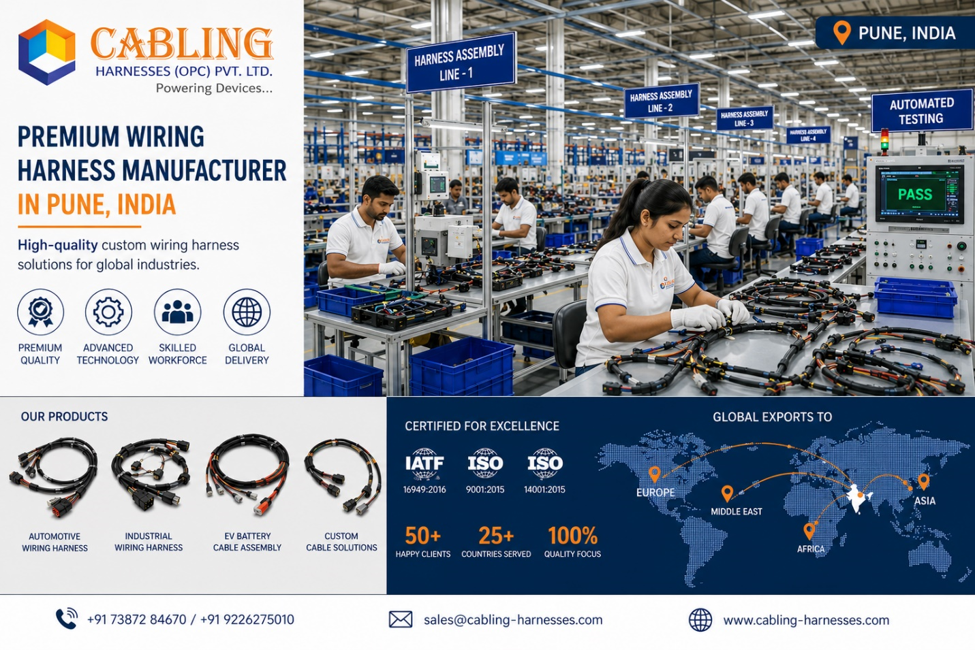
At Cabling Harnesses (OPC) Private Limited, we understand what procurement managers, OEMs, and engineering teams expect from a wiring harness partner: consistent quality, dependable delivery, responsive communication, and the engineering expertise needed to support both production and innovation.
Based in Pune, India, we supply custom wiring harness solutions to customers across the Middle East, Asia, Europe, and Africa, delivering products that meet international quality standards and industry-specific requirements.
If you are evaluating suppliers or considering a transition, we invite you to request samples, discuss your project requirements, or arrange a facility review. We are confident in our capabilities and welcome the opportunity to demonstrate the difference a reliable manufacturing partner can make.
Contact Cabling Harnesses Today
📞 +91 73872 84670 / +91 9226275010
✉️ sales@cabling-harnesses.com
We welcome enquiries from manufacturers, OEMs, distributors, and procurement teams worldwide. Tell us what you need, and we’ll take it from there.
.
